Shade Net
Showing all 3 results
-
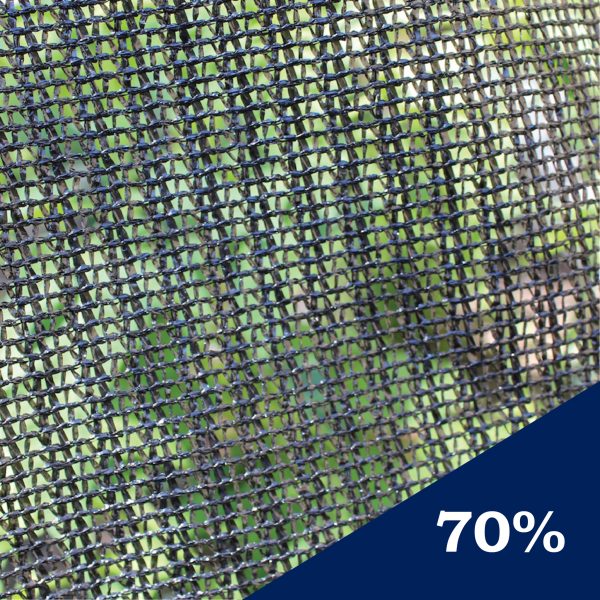
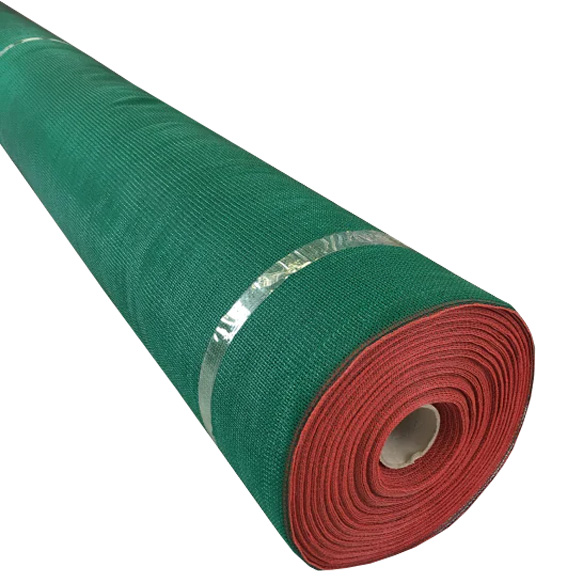
Shade Net 70%
ریال ۰ Select options This product has multiple variants. The options may be chosen on the product page -
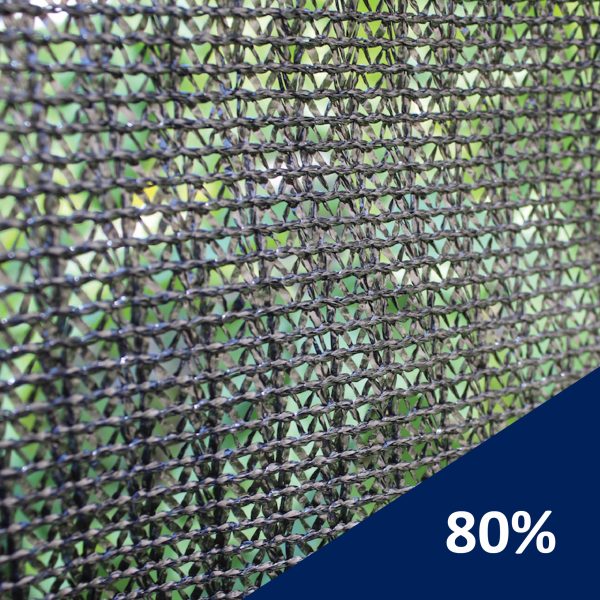
Shade Net 80%
ریال ۰ Select options This product has multiple variants. The options may be chosen on the product page -
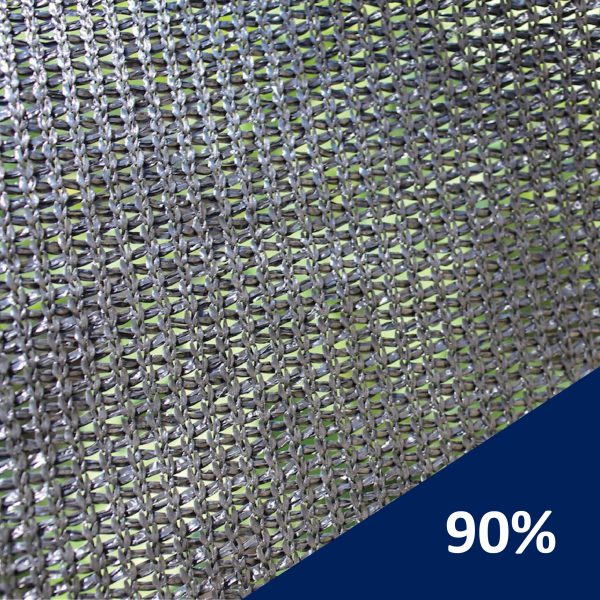
Shade Net 90%
ریال ۰ Select options This product has multiple variants. The options may be chosen on the product page
"" has been added to your cart.View cart
A shade net, also known as greenhouse shade cloth, is one of the most essential and best-selling agricultural and outdoor equipment used to control sunlight intensity, prevent excessive heat, and provide optimal shading. This product is also referred to as Raschel net, shade mesh, greenhouse Raschel, or greenhouse shade cloth in the market.
Shade nets are produced in various models based on shading percentage, color, and width—each designed for a specific application. In recent years, the use of shade cloth has increased significantly due to rising temperatures, extreme climate fluctuations, and the growing need for proper light management in agricultural and industrial environments.
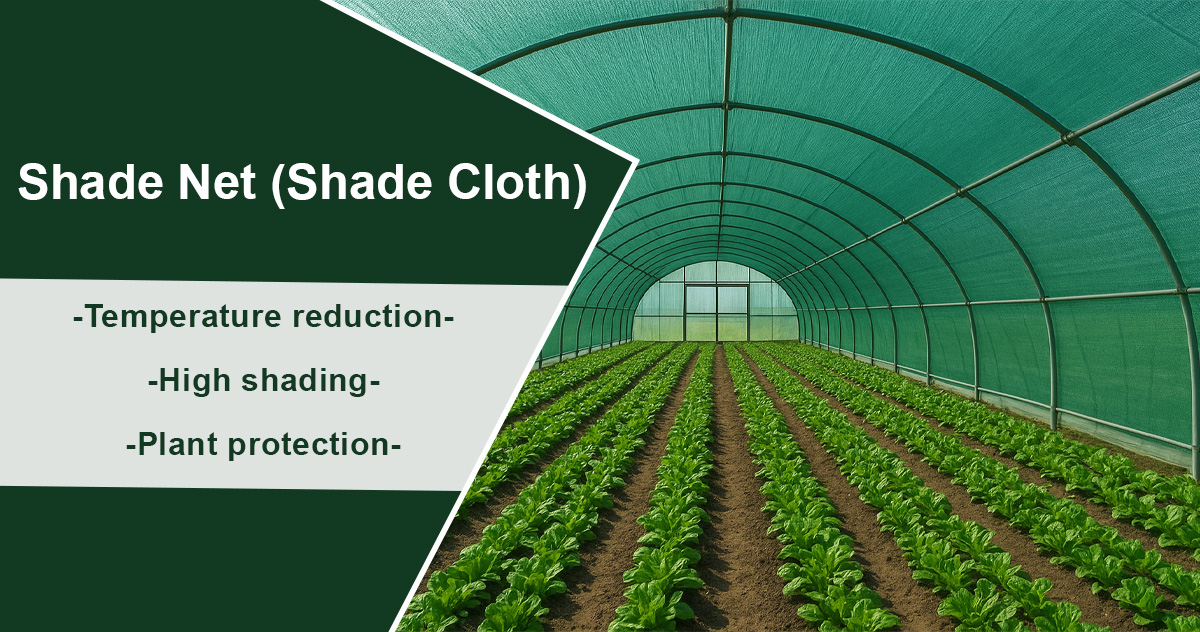
By creating uniform and controlled shade, shade nets reduce sunlight intensity and prevent overheating. Therefore, they play a critical role in protecting plants, reducing surface evaporation, preventing sunburn, and improving growth conditions.
What Is a Shade Net?
A shade net is an engineered polyethylene cover, stabilized with UV additives and produced with Raschel knitting technology. It reduces sunlight intensity in a controlled manner while regulating both thermal and optical performance of the environment.
The structure of the net acts as a spectral filter—blocking the harmful part of solar radiation and allowing only the required light for photosynthesis or thermal stability to pass through. Because of this, shade nets are widely used in greenhouses, nurseries, and industrial facilities as an active light- and energy-management system.
These nets are designed based on shade percentage, yarn density, and knitting pattern—allowing each model to control a specific amount of sunlight, airflow, and surface evaporation. As a result, shade nets not only prevent sunburn and light stress but also improve plant growth efficiency, stabilize temperature, reduce water consumption, and enhance the lifespan of structures in agricultural and industrial settings.
To purchase various types of shade nets or greenhouse shade cloth at competitive prices, you can contact Avisa Baft Industrial Group through the following channels:
Website: avisabaft.com
Email: info@avisabaft.com
Sales Specialist: +98 913 415 4095
Applications of Shade Nets
Shade nets are not limited to greenhouses—they are used in many different environments, including:
1- Greenhouses and Farms
The primary use is light control for plants sensitive to direct sunlight. Seedlings, foliage plants, and shade-loving species grow significantly better with a proper shade cloth.
2- Livestock and Poultry Farms
Shade nets help reduce heat stress in animals. Installing them in open livestock areas lowers heat-related losses.
3- Fish Ponds and Aquaculture
They prevent excessive water heating and suppress algae growth, creating a more stable aquatic environment.
4- Parking Lots and Public Areas
Used as shade structures for cars, courtyards, and recreational spaces—preventing surfaces from overheating.
5- Industrial Warehouses
Shade nets protect light- or heat-sensitive industrial materials from direct sunlight.
Comparison Table: 70%, 80%, 90% Shade Nets
| 90% Shade Net | 80% Shade Net | 70% Shade Net | Feature |
|---|---|---|---|
| 85–90% | 75–80% | 65–70% | Shading Level |
| Very Low | Low | Medium | Light Transmission |
| Very High | High | Moderate | Temperature Reduction |
| Extreme sunlight | Sensitive plants | Most plants | Sunburn Protection |
| Moderate | Good | Excellent | Airflow |
| Shade-loving plants | Sensitive plants | Light-loving to partial-shade plants | Best for |
| Poultry farms, warehouses, hot climates | Sensitive greenhouses, yards, parking lots | Greenhouses, livestock, temporary shade | Applications |
| Very High | Very High | High | UV Resistance |
| 120–140 | 90–110 | 65–80 | Weight (g/m²) |
| Higher cost | Mid-range & popular | Economical | Price Level |
| Green, cream, gray, white | Green, cream, gray, white | Green, cream, gray, white | Common Colors |
| Low | Medium | High | Visibility Behind Net |
| Very hot & intense sunlight | Hot & sunny regions | Mild regions | Ideal Climate |
Shade Net Material
Shade nets are made from industrial-grade HDPE (high-density polyethylene), extruded as monofilament or Raschel knitted fabric, then reinforced with UV stabilizers. Using European UV masterbatch and HALS light stabilizers ensures long-term resistance to UV degradation, brittleness, and powdering.
The type and quality of UV stabilizers are the main factors affecting lifespan, color durability, tensile strength, and mesh stability. The higher the purity of polyethylene and the quality of UV additives, the more resistant the shade cloth becomes to sunlight, thermal stress, and tearing—offering reliable performance in agricultural, industrial, and outdoor environments.
Benefits of Using Shade Nets
Shade cloth offers numerous advantages that make it one of the most essential tools in agricultural and industrial spaces:
– Reduces temperature and blocks direct sunlight
– Protects plants from leaf burn
– Increases crop yield during hot seasons
– Reduces water consumption by lowering evaporation
– High resistance to UV radiation and tearing
– Quick and easy installation anywhere
These features make shade nets an excellent replacement for fabric or metal shade structures.
Types of Shade Nets Based on Density
Shade nets generally come in three main densities, each suitable for a specific application:
Shade Net 70%
Ideal for plants that require moderate light but are sensitive to intense sunlight.
Shade Net 80%
One of the most popular models, offering the best balance between shading and light transmission for greenhouses and outdoor areas.
Shade Net 90%
Designed for maximum sunlight protection—suitable for industrial areas, parking lots, and special greenhouse applications.
Shade Net Price
Shade net prices depend on several factors, including shade percentage, yarn thickness, production quality, UV resistance, and roll width. Higher-quality models with stronger weave and better UV stabilizers cost more but offer significantly longer durability. Color and weight (g/m²) also affect the final price.
For accurate pricing, it is recommended to determine your environmental needs and choose a model that balances quality and budget. For updated price information, you may contact our sales team.
Buying Raschel Shade Net
Before purchasing a shade net for greenhouses, outdoor areas, or industrial sites, it is important to determine the required shading percentage. Shade nets are available in 70%, 80%, and 90% densities—each providing different levels of light and temperature control.
When buying, consider the following factors to achieve maximum performance:
– Shade percentage
– UV durability
– Mesh density & knitting quality
– Width and color
Choosing the right model protects your plants from heat and sunlight while reducing water and energy consumption. For purchase assistance, contact our sales experts.
To purchase various types of shade nets or greenhouse shade cloth at competitive prices, you can contact Avisa Baft Industrial Group through the following channels:
Website: avisabaft.com
Email: info@avisabaft.com
Sales Specialist: +98 913 415 4095
Choosing the right shade net plays a vital role in improving environmental conditions and extending the lifespan of your equipment. Avisa Baft products, manufactured with industrial-grade polyethylene and high-quality UV stabilizers, offer excellent durability against sunlight and thermal stress—making them a reliable option for agricultural, industrial, and outdoor applications.
Considering shade percentage, fabric structure, and material quality before purchase ensures higher efficiency and results in an economical and dependable choice for users.